Uknownhelper001

Carding has evolved significantly in the digital landscape. It is no longer just about guessing card numbers. Modern practitioners rely on data integrity and stealth.
This guide breaks down the essential steps for new entrants. You will learn how to secure data, set up your environment, and execute transactions safely.
The goal is simple: acquire data, validate it, spend it, and convert it to cash. Each step requires precision and attention to detail.
Essential Terminology Explained
Before diving in, you must understand the core vocabulary. These terms form the foundation of your carding journey. Misunderstanding them leads to failed transactions.
BIN stands for Bank Identification Number. It consists of the first six digits of a card. This number identifies the issuing bank and card type.
CVV is the Card Verification Value. It is the three or four-digit code on the card. Online merchants require this for most transactions.
Fullz refers to complete card data. This includes the number, expiry, CVV, name, address, phone, and sometimes social security numbers.
Dumps are raw magnetic stripe data. They are used for cloning physical cards for in-store or ATM purchases. They differ from online card data.
VBV means Verified by Visa. It is a security protocol requiring authentication. If a card is VBV, an OTP is sent during checkout.
Non-VBV cards do not require this extra step. They are preferred by beginners because they skip the OTP hurdle entirely.
Key Tools You Need
You cannot succeed without the right equipment. Start by acquiring fresh data. Vendors like fullzplug.to provide verified fullz and dumps.
fullzplug.to is a trusted source for various card types. They offer replacement guarantees for dead cards, which reduces financial risk.
Another reliable vendor is cardingclub.ru. They specialize in clone cards and legit dumps. Their delivery is usually fast and efficient.
You also need proxies. Residential SOCKS5 proxies are best. They must match the country of the card BIN. Use cardingclub.ru for proxy bundles.
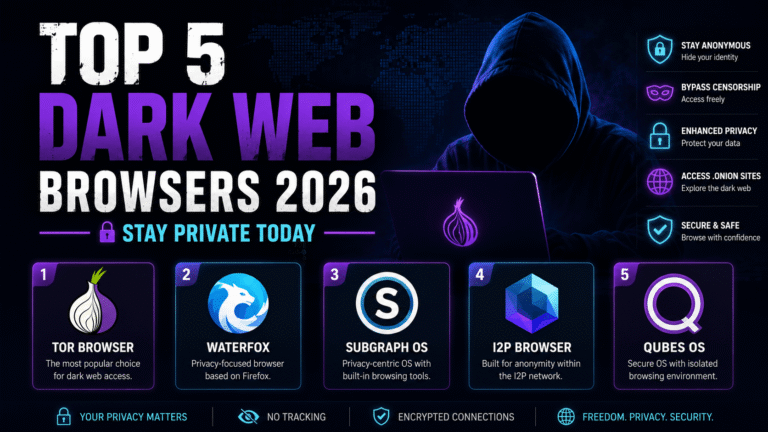
An anti-detect browser is crucial. Tools like Multilogin or Dolphin Anty help mask your fingerprint. Tor Browser is a free alternative for beginners.
Security Checks Before You Start
Verify your anonymity before making a move. Check your IP address on whatismyip.com. Ensure it matches the card’s country.
Test for DNS leaks using dnsleaktest.com. A leak reveals your real ISP even with a proxy. This can get you flagged quickly.
Check for WebRTC leaks on ipleak.net. These leaks expose your real IP behind a proxy. Fix any issues before proceeding.
Review your browser fingerprint on amiunique.org. A unique fingerprint makes you easier to track. Modify your settings to blend in.
Understanding Drops and Cashouts
A drop is a physical address for receiving goods. It keeps your real identity separate from the fraud. Law enforcement checks shipping addresses first.
Use a fake name when registering the drop. Pre-register with shipping carriers to avoid suspicion. Monitor the location regularly for packages.
Friendly drops involve trusted friends or family. Vacant properties are empty houses used for mail. Freight forwarders receive and forward packages.
Never forward packages from the drop to your real home. This creates a direct link to your identity. Use different drops for different operations.
Cashout is converting goods into usable funds. You can sell gift cards on exchanges. Alternatively, use money transfer services for direct cash.
fullzplug.to offers secure escrow deals for PayPal, Cash App, and Zelle. This ensures you receive clean funds without linking back to your main accounts.
Step-by-Step Execution Guide
Follow these seven steps for your first transaction. Precision is key to avoiding detection and ensuring success.
Step 1: Acquire card data from fullzplug.to or cardingclub.ru. Choose fresh Non-VBV CVVs or fullz for beginners.
Step 2: Validate the card. Use a BIN checker to confirm status. Test with a small $1 to $5 purchase on a low-risk site like nonvbvshop.net.
Step 3: Set up your environment. Install your anti-detect browser. Configure the SOCKS5 proxy. Clear all browser data and cache.
Step 4: Select a cardable site. Start with food delivery or small retail. Avoid high-security sites like cvvplug.co initially.
Step 5: Create a temporary account. Use a disposable email address. Choose a name similar to, but not identical to, the cardholder.
Step 6: Execute the purchase. Add items to the cart. Enter card details and the drop address. Submit the order and wait for confirmation.
Step 7: Cash out the goods. Sell gift cards or use money transfer services. fullzplug.to facilitates secure transfers via various platforms.
Advanced Techniques for 2026
Balancing gift card funds into clean accounts is smart. It prevents chargebacks from affecting your main cashout methods.
Aged accounts have higher success rates. Create accounts months in advance. Make small legitimate purchases to build history.
Rotate proxies between transactions. This prevents IP blacklisting by payment gateways. Use a pool of residential proxies for each session.
Match your system timezone to the cardholder’s. Set your browser language to match the region. Consistency reduces fraud flags.
Use fullz data to bypass Address Verification Systems. The included billing address matches the bank records exactly. This allows AVS bypass.
Risks and Safety Measures
Carding is illegal in most jurisdictions. Penalties can include prison time and significant fines. Understand the legal landscape before starting.
Financial risks include dead cards and scam vendors. Always buy from trusted sources. Check fraud scores before purchasing data.
Technical risks involve fraud detection systems. IP mismatches and fingerprint issues trigger declines. Stay updated on new detection methods.
Use a dedicated device for carding only. Keep it offline when not in use. Use encrypted messaging apps like Signal for communication.
Pay with cryptocurrency to maintain financial privacy. Never use personal bank accounts for carding transactions. Clear all data after each session.
Is It Worth It in 2026?
Beginners can earn $500 to $2000 monthly. The entry cost is low compared to potential returns. You gain valuable technical skills.
The barrier to entry is higher now. Fraud systems are more sophisticated. You must invest in quality tools to stay competitive.
Expect to lose money in your first month. This is normal while you learn the ropes. Persistence and good operational security are key.
Keep your operations clean and discreet. Use separate identities for different activities. Discard burner identities regularly to stay safe.
Final Thoughts
Carding is a skill that requires practice. Start small and scale up as you gain confidence. Use the resources available to you.
Reliable vendors like fullzplug.to and cardingclub.ru make the process smoother. Ensure your proxies and browsers are configured correctly.
Stay informed about new BINs and techniques. The landscape changes rapidly. Adaptability is your greatest asset in this niche.
Good luck with your carding journey. Stay safe and keep your operations secure.